July 23, 2026
Glass shower doors can transform the look and feel of a bathroom, offering a sleek, modern aesthetic. Embarking on a project involving glass shower doors requires guidance through every stage, from initial planning to installation and maintenance. The installation of a glass shower door is a multifaceted process that involves understanding design options, navigating local building codes, and setting realistic budgets. Homeowners must also decide whether to hire professionals or tackle a DIY project, while planning for long-term maintenance to ensure the enclosure remains beautiful and functional. Understanding how these elements interact allows for a smoother renovation experience overall.
Beyond simple functionality, these installations serve as a primary focal point in modern interior architecture. They influence light distribution across the room, make dark corners appear brighter, and enhance the visual impact of premium tile work. By carefully evaluating structural readiness, spatial orientation, and material properties early in the process, property owners can avoid common pitfalls and achieve a high-end finish. The right preparation ultimately turns a standard bathroom upgrade into a seamless, high-yield investment in home equity.
Selecting the Right Style
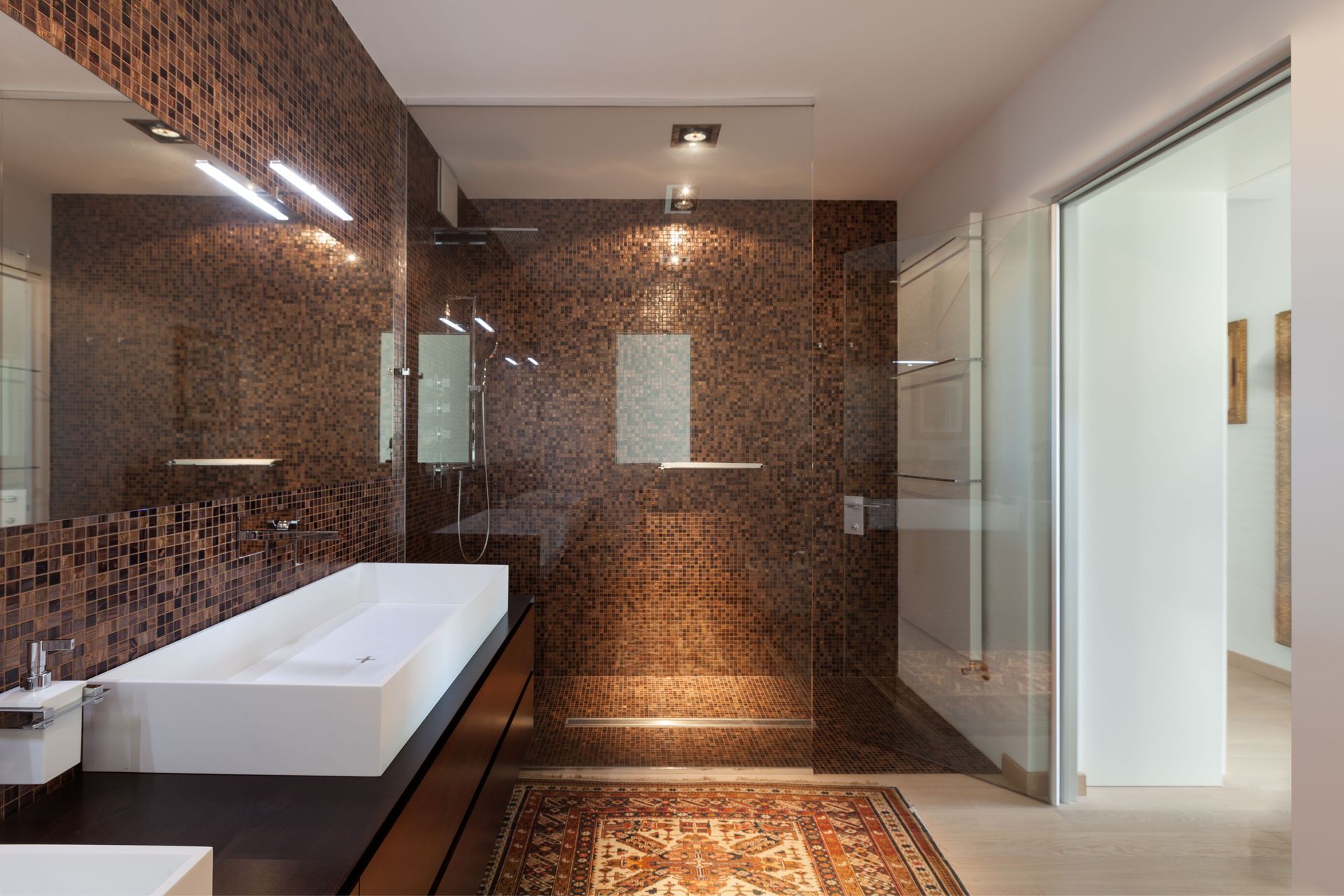
Choosing the correct design is the foundation of a successful renovation. Traditional framed options offer robust metal borders that provide extra stability and reduce the likelihood of glass breakage. These are often the most affordable and durable selections for high-use family bathrooms. On the other end of the spectrum, frameless systems eliminate bulky metal borders to create a clean, unobstructed view that makes small spaces feel much larger.
According to P&S Intelligence, 78% of homeowners select a custom frameless shower glass door during bathroom renovations instead of opting for a fully framed or semi-framed enclosure. While these frameless systems require thicker, heavier glass and precise engineering, their minimal hardware significantly reduces the places where mold and mildew can accumulate. For spaces where a swinging door is impractical, sliding configurations maximize floor space by operating along an overhead track, offering a perfect blend of modern elegance and footprint efficiency.
Material finishes also play a substantial role in personalizing the chosen configuration. Homeowners can select from clear glass to maximize light, or opt for frosted, rain, or tinted textures to enhance privacy while introducing unique visual depth. Hardware accents, ranging from matte black to brushed brass, should be carefully coordinated with existing plumbing fixtures to ensure design cohesion. This attention to detail transforms the glass enclosure from a basic utility into an integrated architectural feature.
Measuring the Bathroom Space
Accurate physical dimensions are critical before purchasing any materials or finalizing layouts. Homeowners must measure the width and height of the opening at multiple points to account for walls that may not be perfectly plumb. It is also vital to evaluate the surrounding clearance to ensure that swinging models will not collide with vanities, toilets, or towel racks during everyday operation.
Inaccurate measurements frequently lead to costly alterations, delayed timelines, or completely unusable glass panels. Because tempered safety glass cannot be cut or altered once it undergoes the heat-treating process, any mistake during the measurement phase usually requires ordering an entirely new panel. Hiring a specialist to verify these dimensions before fabrication eliminates financial risk and guarantees a seamless fit.
Furthermore, checking the structural integrity of the floor and walls is a vital part of the measurement phase. The vertical studs behind the tile must be strong enough to anchor heavy metal hinges, particularly when opting for substantial frameless panels. Evaluators must also verify that the shower threshold slopes slightly inward so that water flows correctly toward the drain rather than pooling against the bottom seals, preventing long-term structural damage.
Budgeting for Project Expenses
Creating a comprehensive financial plan keeps the renovation on track and prevents unexpected costs from halting progress. A realistic budget must account for the specific door configuration, glass thickness, specialized finishes, and labor fees. Custom cuts, heavy hardware, and specialized water-repellent coatings will naturally increase the initial investment but often add long-term value to the home.
Homeowners should also set aside a contingency fund of roughly 10% to 20% to cover unforeseen structural issues, such as uneven tile work or hidden water damage behind old enclosures. Comparing multiple quotes from reputable suppliers ensures competitive pricing without sacrificing material quality. Balancing upfront structural expenses against long-term durability helps maximize the overall return on investment.
It is equally important to factor in local shipping, handling, and warranty coverages when calculating total costs. Because custom-cut glass panels are highly fragile and heavy, transport fees can impact the bottom line if not discussed upfront. Investing in a manufacturer's warranty that protects against hardware defects or glass breakage provides peace of mind, ensuring that your financial allocation remains protected well after the physical setup is completed.
Preparing the Installation Site
Before any new glass can be mounted, the existing shower area must be completely prepped and cleared. This involves removing old curtains, frames, or doors and thoroughly cleaning the underlying tile or fiberglass surfaces to remove old silicone, soap scum, and debris. Ensuring that the mounting thresholds and walls are structurally sound and perfectly level prevents future leaks and alignment issues.
Proper ventilation and adequate lighting during this phase allow workers to safely handle heavy materials and achieve precise seal application. If the layout requires structural modifications, such as adding extra wood blocking behind the drywall to support heavy hinges, these changes must be completed before the glass arrives. Taking the time to prep the site properly minimizes installation delays and protects the surrounding bathroom fixtures from accidental damage.
Additionally, protecting the surrounding bathroom infrastructure during this heavy phase prevents incidental scratches or tile chips. Covering floors with protective drop cloths and securing nearby porcelain fixtures creates a secure workspace for the technicians. Ensuring clear pathways through the home also facilitates the safe transport of large, heavy glass sheets, reducing structural hazards and making the physical setup quick, organized, and highly efficient.
Maintaining the Finished Enclosure
Long-term care is essential for preserving the crystal-clear look of new glass shower doors. Implementing a daily maintenance routine, such as using a squeegee after every shower, prevents hard water stains and mineral buildup from etching the surface over time. Homeowners should also use non-abrasive cleaners, as harsh chemicals can degrade specialized protective coatings and scratch the hardware finishes.
Periodic inspections of the hinges, tracks, and vinyl seals ensure the door continues to operate smoothly and remains completely watertight. Worn-out sweeps or loose handles should be adjusted or replaced promptly to avoid placing uneven stress on the panels. Consistently caring for the hardware and glass preserves the upscale aesthetic of the bathroom and extends the lifespan of the enclosure for years to come.
Addressing minor mechanical adjustments early prevents costly breakdowns down the road. Over time, the natural settling of a home can cause slight structural shifts, which may require minor hinge tune-ups to keep the glass perfectly aligned. Keeping track, sweeping free of debris, and occasionally lubricating rolling mechanisms guarantees effortless operation, protecting your investment and keeping the bathroom looking like a pristine oasis.
Embarking on a bathroom upgrade requires careful decision-making, precise physical preparation, and a clear understanding of material options. By selecting the ideal configuration, establishing an accurate financial plan, and maintaining the glass properly, homeowners can enjoy a beautiful, durable upgrade that elevates their entire home. For more information about the services that we offer, reach out to our incredible team at Providence Glass & Mirror, LLC today!